
Understanding Calories: Your Body's Energy Currency
Calories aren't the enemy — they're the fuel that powers everything you do. Let's demystify what calories really are and how to use this knowledge to feel your best.
Quick Summary
- • A calorie is a unit of energy; the body needs calories for all functions including breathing and digestion
- • Recommended daily intake: 2,000 kcal for average women, 2,500 kcal for average men (NHS/USDA)
- • Calorie quality matters as much as quantity — nutrient density affects health outcomes
- • BiteRight supports meal logging and review of calorie and nutrient estimates
Key Takeaways
- Calories are units of energy — your body needs them for every function
- 1g carbs = 4 cal, 1g protein = 4 cal, 1g fat = 9 cal
- Quality matters as much as quantity — not all calories are equal
- Understanding your needs helps you eat smarter, not less
What Are Calories?
Think of calories as your body's energy currency. Every bite of food you eat contains energy that your body uses to power everything — from breathing and thinking to moving and digesting.
Fun Fact: The Calorie Breakdown
- Carbohydrates: 1 gram = 4 calories
- Protein: 1 gram = 4 calories
- Fat: 1 gram = 9 calories
This is why fats are more calorie-dense — not because they're "bad," but because they pack more energy per gram!
Why Calories Matter
Tracking calories isn't just about losing weight — it's about understanding your body's energy needs and making informed food choices. Whether you want to maintain, gain, or lose weight, knowing your caloric intake is your starting point.
Sustainable Energy
Balance your intake to avoid energy highs and crashes throughout the day.
Fitness Support
Fuel your workouts and muscle recovery with the right amount of energy.
Better Mood & Focus
Calorie deficiencies can impact cognitive performance and emotional wellbeing.
Better Sleep & Hormones
Nutrition and calorie balance directly affect your rest and metabolism.
Calorie Density: Eat Smarter, Not Less
Not all calories are created equal. 500 calories from vegetables and whole grains will nourish your body very differently than 500 calories from soda or sweets. Here's what that looks like:
| Food | Calories | How You'll Feel |
|---|---|---|
| Large Salad with Chicken | 400 | Full & Energized |
| Slice of Chocolate Cake | 400 | Quick Spike & Crash |
Same calories, completely different outcomes. Choose foods that keep you satisfied longer!
Tips for Smart Calorie Management
Don't Skip Meals
Skipping meals often leads to overeating later. Keep your energy steady with regular, balanced meals.
Watch Liquid Calories
Sodas, alcohol, and juice add up fast. A single latte can contain 250+ calories without filling you up.
Plan Ahead
Meal prepping helps prevent accidental overconsumption and keeps you on track with your goals.
Listen to Your Body
Learn to distinguish between hunger and boredom. True hunger builds gradually; cravings hit suddenly.
Review a Meal Record and Calorie Estimates
Record a meal by photo, voice or text and review the foods and serving assumptions behind the nutrient estimates.
Meal Logging & Calorie Estimates
Log meals by photo, voice or text and review the identified foods and estimated nutrients.
Food and Serving Context
Record the meal and serving details you know. Check the result rather than assuming a photo contains every ingredient.
Review Meal Details
Review identified foods and portion assumptions. A food photo cannot establish exact ingredients or allergen safety.
Daily Progress Insights
Review the information displayed for logged meals. Values are estimates, not a medical assessment.
"The goal isn't just to count calories — it's to make every calorie count."
Frequently Asked Questions
Explore a meal record.
Explore meal logging and nutrient estimates. Check current app-store pricing, included features and subscription terms before downloading.
Estimate your daily calories with the free calculator
Want to learn more? Explore our full list of features or see how the app works.
Related reading
Articles from the current published catalogue. A related topic or source date does not establish clinical review.

Calories and Metabolism: Why Two People Can Eat the Same Meal and Get Different Results
Published in source:
We’ve all had that friend who eats double the pizza you do and somehow never gains weight. Meanwhile, you look at a slice and feel your jeans tighten.
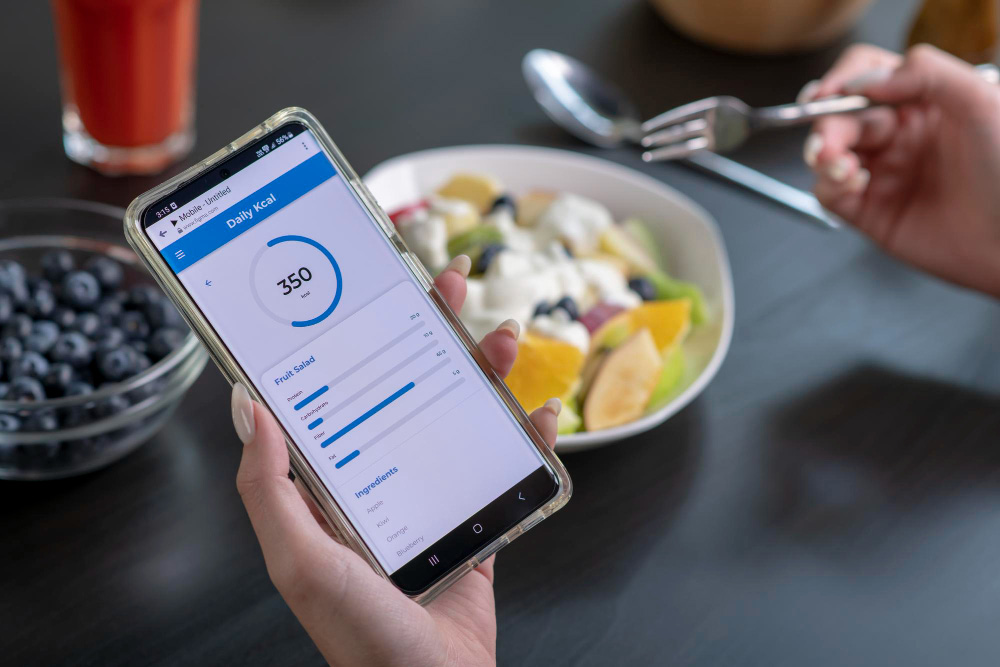
How to Get Real Results With a Calorie Tracker App
Published in source:
Quick Answer: A calorie tracker app works when it is fast to log, accurate enough to trust, and clear about what to do next. Focus on apps that reduce
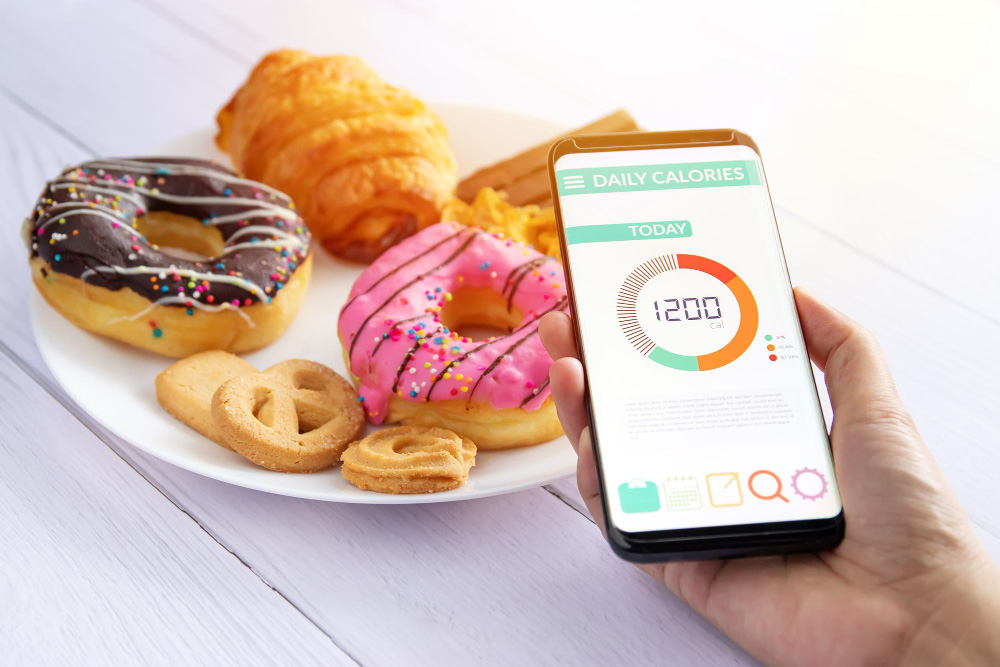
Choosing a Calorie Counting App You’ll Actually Use
Published in source:
Quick Answer: The right calorie counting app makes logging take seconds, provides accurate nutrition data, and turns your entries into weekly insights you
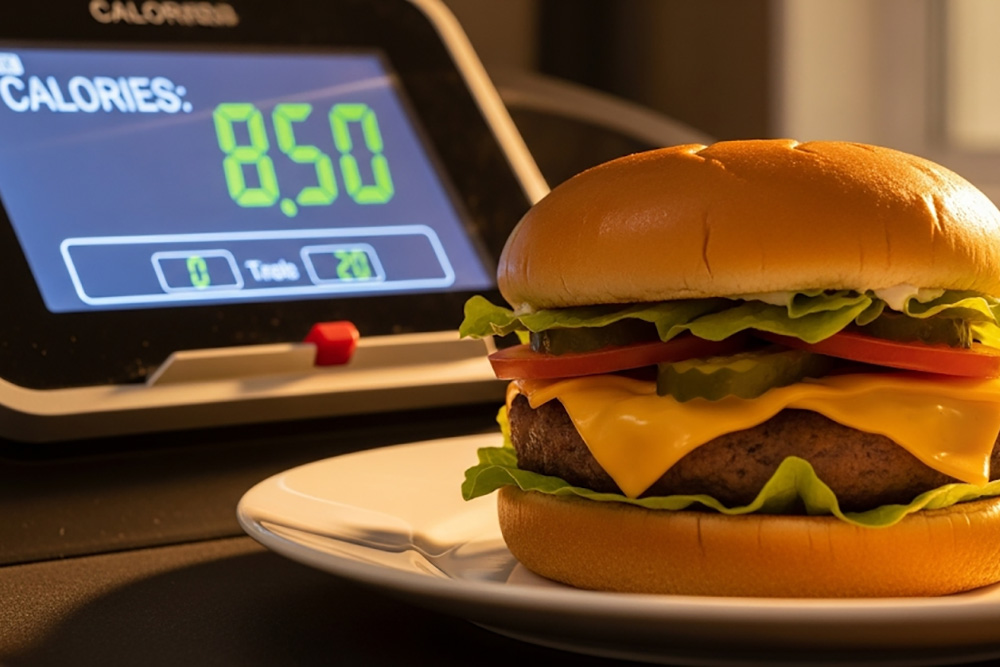
Calories and Exercise: Why “Burn It Off” Isn’t the Whole Truth
Published in source:
We’ve all heard the classic gym mantra: “Don’t worry, you’ll just burn it off.” But here’s the problem—calories burned during exercise don’t always equal

Calories and Culture: Why Your Plate Might Be Lying to You
Published in source:
Calories might seem like a universal concept, but they’re anything but. How we perceive, measure, and consume calories is deeply influenced by our

Are You Eating Enough Calories? The Silent Saboteur of Health Goals
Published in source:
When it comes to nutrition, everyone talks about overeating. But what about the opposite? Undereating calories is a sneaky problem that can stall your