
IBS Diet: Take Control of Your Gut
Living with IBS doesn't mean living in fear of food. Learn which foods support your digestive comfort and which ones to avoid — so you can enjoy eating again.
Quick Summary
- • IBS affects 10–15% of the global population and is highly manageable with diet
- • The low-FODMAP diet, developed at Monash University, reduces symptoms in 75% of IBS patients
- • Common FODMAP triggers: garlic, onion, wheat, lactose, certain fruits and legumes
- • BiteRight helps record meals and review food and serving estimates
Key Takeaways
- IBS isn't curable, but it's highly manageable with the right diet
- Low-FODMAP foods are gentler on sensitive digestive systems
- Tracking food and symptoms helps identify your personal triggers
- Lifestyle factors like stress and eating habits also matter
What Is IBS?
Irritable Bowel Syndrome (IBS) is a common digestive disorder that affects how your gut functions. It's not about damage to your digestive system — it's about how your gut responds to certain foods and stress.
Common symptoms include:
The good news? IBS isn't curable, but it is manageable with the right food choices and habits. Many people find significant relief once they identify their personal triggers.
How Food Affects IBS
Certain foods can trigger symptoms by fermenting in the gut or irritating the digestive lining. That's why managing IBS begins with knowing what to eat — and what to avoid.
What are FODMAPs?
FODMAPs are short-chain carbohydrates that can be hard to digest. The name stands for Fermentable Oligo-, Di-, Mono-saccharides, And Polyols. Reducing high-FODMAP foods often brings significant relief for IBS sufferers.
IBS-Friendly Foods
These foods are gentle on the digestive system and less likely to cause a flare-up:
Carbohydrates
- White rice, oats, sourdough bread
- Potatoes (peeled), pumpkin
- Carrots, parsnips
Proteins
- Eggs, tofu
- Chicken, turkey, fish
- Lactose-free dairy (small amounts)
Fruits & Veggies
- Bananas, blueberries, strawberries
- Zucchini, spinach
- Cucumber, bell peppers
Foods to Avoid with IBS
These are common triggers that may worsen IBS symptoms. Everyone is different, so track your reactions:
Onions & garlic
High FODMAP
Beans & lentils
High FODMAP
Apples, pears, watermelon
Fruits
Milk, ice cream, soft cheese
Dairy
Sorbitol, xylitol (sweeteners)
Additives
Carbonated drinks & alcohol
Beverages
Remember: Triggers vary by person. What bothers one person may be fine for another.
Lifestyle Tips for Managing IBS
Eat smaller meals more frequently
Large meals can overwhelm your digestive system. Smaller portions are gentler.
Chew slowly and don't rush eating
Eating too fast means swallowing air, which leads to bloating and discomfort.
Track symptoms with a food log
Patterns emerge when you consistently track what you eat and how you feel.
Manage stress with yoga, journaling, or light activity
Stress and anxiety directly affect gut function. Find what calms your mind.
A Meal Record Alongside IBS Care
Use BiteRight to record food information and prepare questions for a clinician or dietitian. A meal record does not establish the cause of symptoms.
Photo-Based Food Tracking
Record a meal photo and review identified foods and portions. Hidden ingredients may be missed.
Food and Serving Details
Describe the meal and serving details you can confirm. Discuss dietary changes with your care team.
Review Ingredients
A food photo cannot establish exact ingredients, definitive FODMAP content or individual safety.
Questions for Your Care Team
Review your meal history alongside any notes you already keep under your care plan. It does not prove a symptom cause.
Frequently Asked Questions
Explore food records alongside care.
Explore meal logging alongside your care plan. Check current app-store pricing, included features and subscription terms before downloading.
Want to learn more? Explore our full list of features or read about gut health basics.
Related reading
Articles from the current published catalogue. A related topic or source date does not establish clinical review.

Food-Tracking Apps Alongside IBS Care: Features to Check
Published in source:
Questions to check when choosing a food-recording tool alongside IBS care. Confirm current features and pricing; AI food estimates are not a diagnosis or a definitive FODMAP assessment.
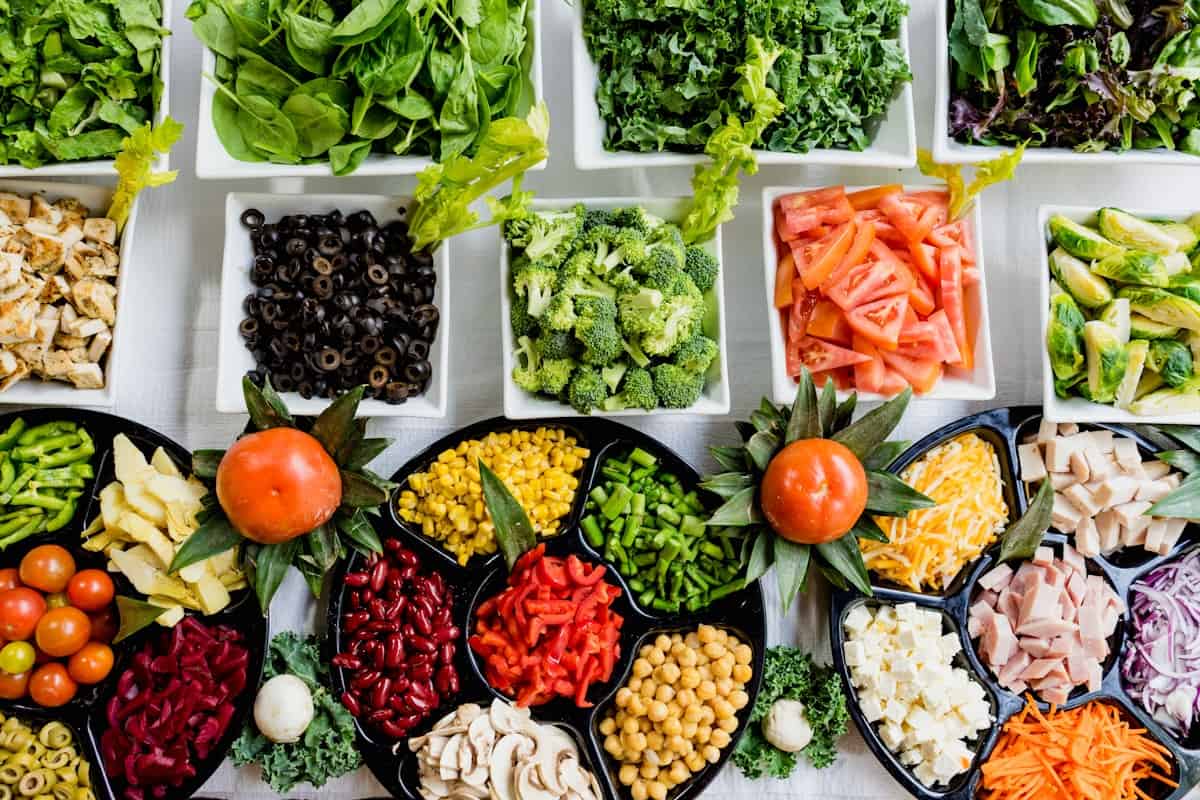
Food Tracking Alongside IBS Care: Features and Limits
Published in source:
Explore BiteRight meal records by photo, voice or text and review nutrient estimates alongside IBS care. Check tracking limits and current app-store terms.
Food Tracking Alongside IBS Care: What a Meal Record Can Show
Published in source:
Record meals and review food and serving details alongside your care plan. AI estimates are not a definitive FODMAP assessment; check current store pricing.
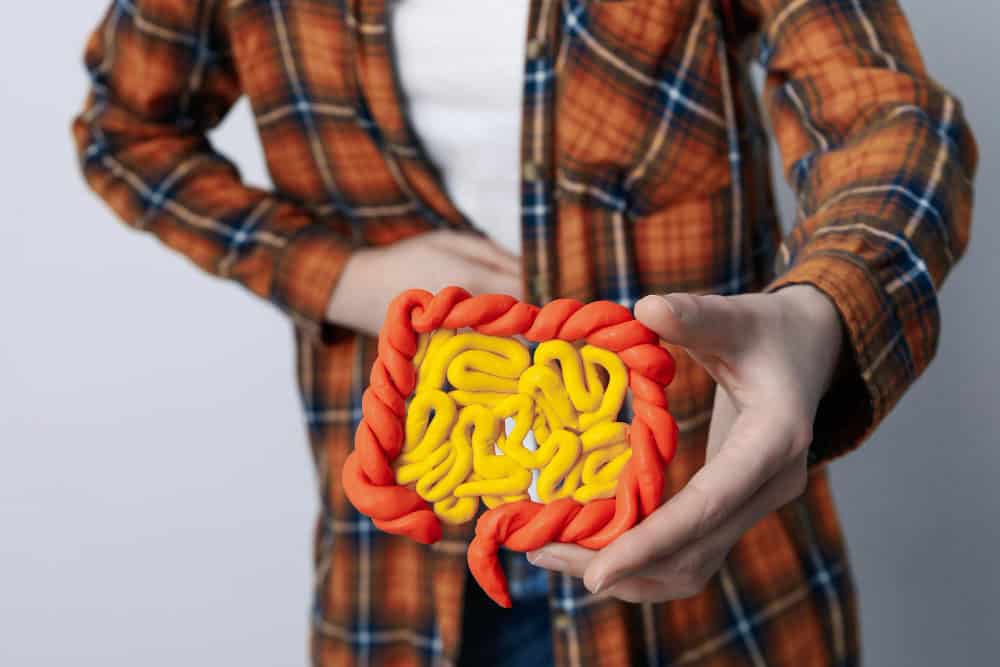
BiteRight Meal Records Alongside IBS Care: Scope and Limits
Published in source:
Explore photo, voice and text meal records with nutrient estimates. Separate BiteRight’s supported workflow from general diary advice and discuss IBS care with your clinician.
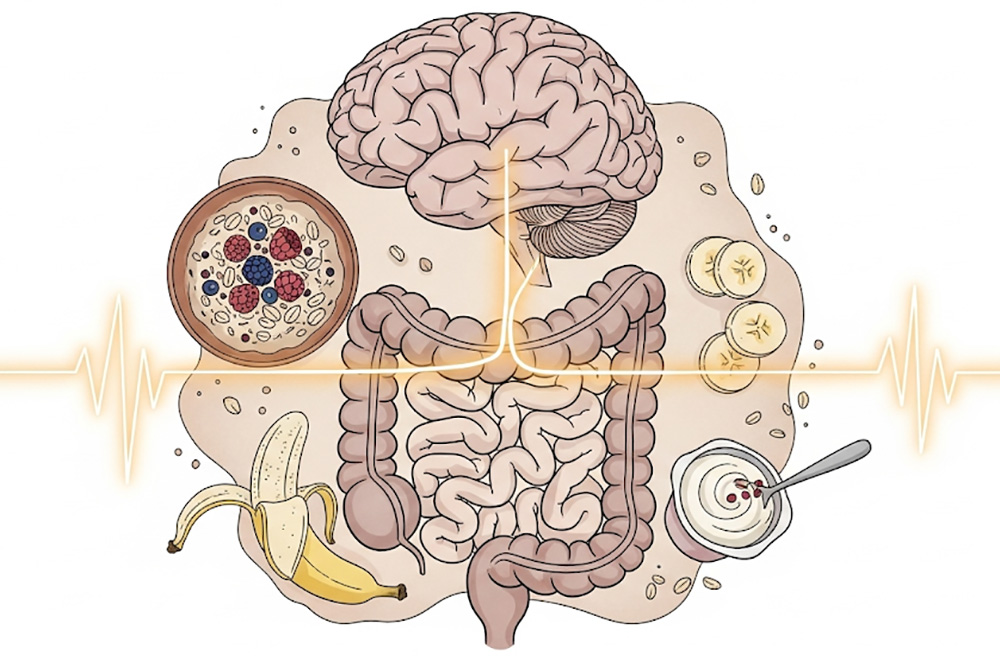
IBS Diet and Mental Health: How Food Choices Impact More Than Digestion
Published in source:
When most people think of Irritable Bowel Syndrome (IBS), they picture bloating, cramps, and bathroom emergencies. But there’s another side to IBS that

IBS Diet and Everyday Life: How to Eat Without Losing Your Social Life
Published in source:
If you live with Irritable Bowel Syndrome (IBS), you’ve probably felt the frustration of saying “no” to dinner invites or stressing over restaurant menus.